
The Grid Under a New Kind of Pressure
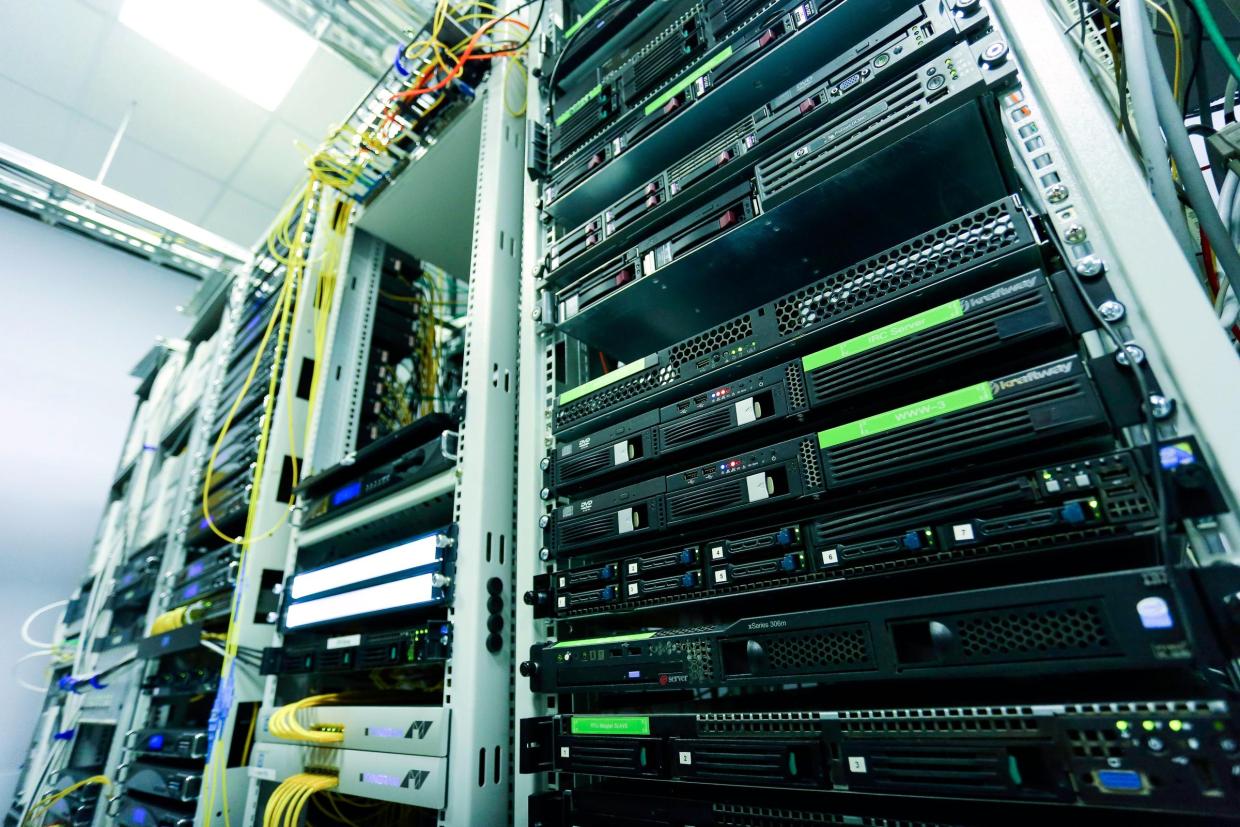
Datacenters are reshaping the grid faster than almost anything else right now, and substation engineering is feeling it first. From a surge in new construction to the growing challenge of modernizing decades-old infrastructure, the field is adapting quickly to keep pace. We talked with one of our substation managers, Matt Estrin, about the trends driving that shift and what it means for the future of grid reliability.
the datacenter effect
Data centers are touching nearly every part of our lives, and the grid is no exception. We're seeing unprecedented growth in demand alongside new reliability challenges, as utilities work to incorporate these massive new loads quickly, without compromising the reliability that nearby communities depend on.
That growth has also fueled a surge in greenfield substation designs, more than we've ever needed before. As energy demand rises for homes, businesses, and everything in between, new substations must be built in a way that protects grid reliability from the start. Long term, this will also mean more assets across every utility that will eventually need maintenance and upgrades as technology continues to evolve.
Modernizing Decades-Old Infrastructure
But building new interconnections isn't the whole story. Aging substations need attention too. Many are 60 to 100 years old and were never designed with today's technology in mind. One recurring challenge is field drawings that haven't kept pace with reality, since original blueprints for these older sites are often outdated or incomplete. To close that gap, engineers turn to field measurements and 3D scans on the physical side, and piece together wiring photos like a puzzle on the electrical side, capturing precise, up-to-date data to correct and update the original designs. Utility standards present a similar challenge: most were written for recent decades of design practice, not for infrastructure built before modern electrical systems existed. That means constant coordination with utility standards groups to bring these older sites up to speed.
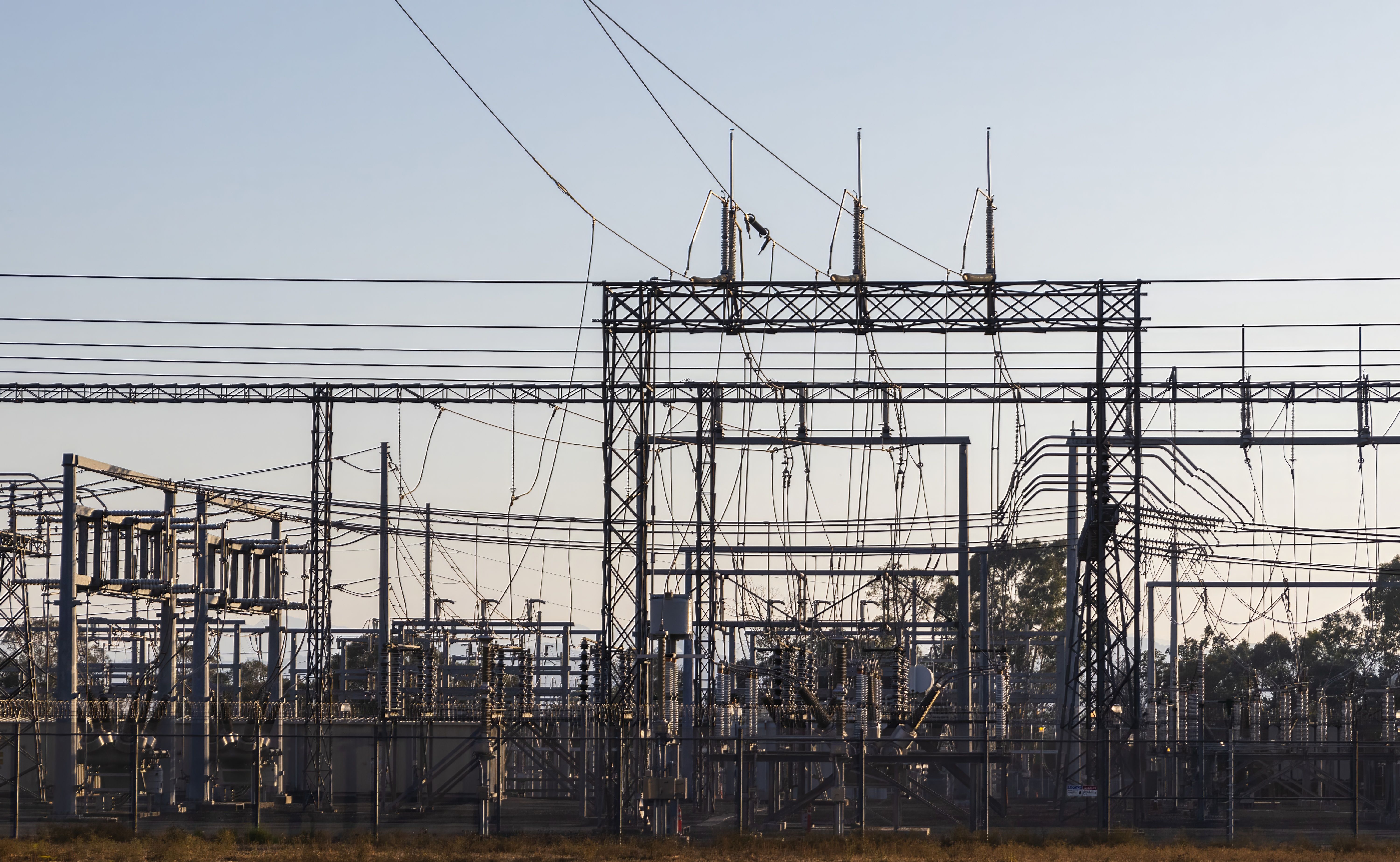
Photo by Robert So (Pexels)
why it all matters
As Estrin puts it,
"Substations are the air traffic control towers of the grid. The relays, sensors, and instruments allow utility operations a visual on how energy flows, how healthy or reliable power is, and where they need to provide support to maintain reliability to customers."
These stations also carry automatic safeguards that reroute power when storms or other severe weather strike, playing a quiet but essential role in keeping the lights on in our homes, our businesses, and our lives.
Looking Ahead
As data centers become an increasingly common sight, their design today will shape the grid for decades to come. How reliable these facilities truly are will only become clear as they age. Estrin puts it plainly:
"The utilities themselves will inherit some amount of risk and have to plan contingencies to ensure customers are protected from many of these reliability concerns."
Cover Photo by Sergei Starostin

Matt estrin
Substation Manager
Matt Estrin is the Manager of Substation Engineering at KDM Engineering, with over 12 years of electrical engineering experience, 10 of which are focused specifically on substations. His background in both project execution and team leadership gives him a deep, practical understanding of how substations are designed, built and maintained at every stage.
