
Powering the Line: Inside Distribution Engineering
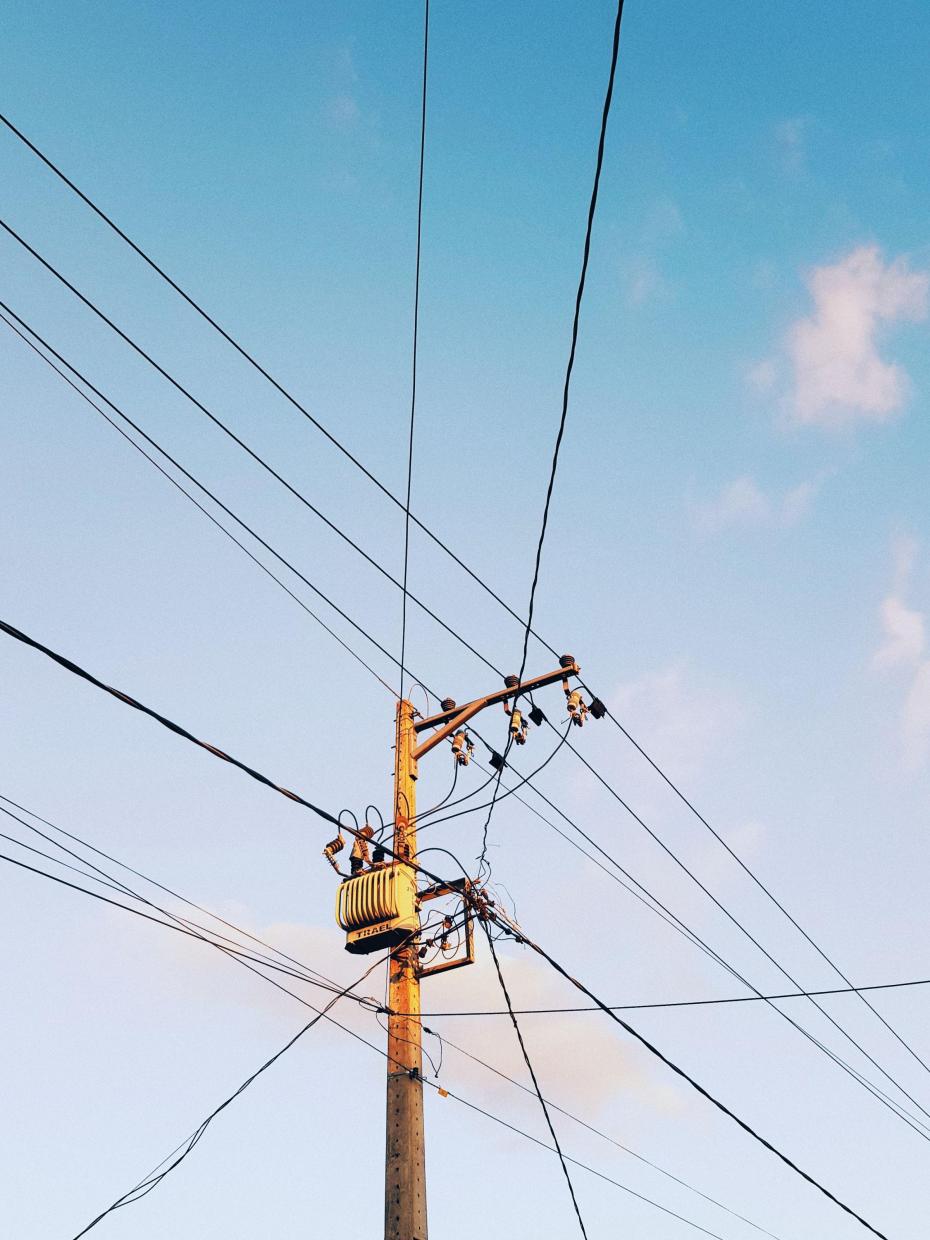
Our distribution department works across a wide range of voltages, from 12 kV up to 34 kV, delivering power over both overhead and underground lines. Our work spans everything from small system upgrades to some of the most technically demanding projects in the industry, always with the same goal: getting reliable power from the substation to the communities that need it. We sat down with two members of our distribution team, Katina Townsend, Distribution Project Manager, and Kimberly Meifert, Distribution Engineer, to get the full picture: one focused on getting projects across the finish line, the other on the technical build behind them.
A wide range of work
No two projects look the same. On the simpler end, our team handles jobs like Distributed Energy Resources (DERs), replacing a transformer with a larger one when a customer's power needs grow, often due to EV chargers or backup generators. We also install Advanced Metering Infrastructure and Distribution Automation (AMI/DA), which allows existing devices on the system to communicate with each other.
On the larger end, our team designs power for entirely new developments, from single buildings tapping into an existing system to full new circuits built out from a substation when the power need is bigger. That kind of project brings its own complexity: coordinating with existing circuits so there's no unnecessary overlap, which keeps reliability high and limits how many customers are affected if something like a car accident takes out a pole.
We've also seen a growing wave of solar and data center work. Through the Future Energy Jobs Act (FEJA), our team has built out large-scale solar installations, connecting fields of solar panels into the grid so that power can be distributed and sold. Concerning data centers, growing demand is pushing new system upgrades and new circuit builds, echoing a trend playing out across the entire grid right now.
How a project forms
Getting a project from design to construction takes more than technical know-how. One of the most common things that can derail a project is easement research and acquisition. If a project needs an easement, that process can be an obstacle, and sometimes homeowners or business owners simply don't want to grant it, forcing us to complete a full redesign of the project. Townsend mentions,
"We try to do our due diligence, making sure we do our research upfront before the design is finished, to make sure that design can be constructed as planned."
Permitting adds another layer. Our team can put together a design that's fully constructible and solves every technical problem, but if a municipality doesn't like how, it looks or fits into the community, we must revise the project to satisfy them. Roadwork adds its own complications too. When a road is being widened or a new bike path is going in, our team has to coordinate with the city or county and every other utility involved to relocate poles and underground equipment while still providing proper clearance.
what clients notice
Despite the complexity, clients consistently point to the same things: responsiveness, communication, and follow-through. In an industry where problems need to get solved quickly, being personable and responsive matters as much as technical skill. That means good design, on-time permitting, materials ordered ahead of schedule, and support all the way through construction, and staying available for questions until the very end. It's the kind of work that often ends with a simple message from the client: "Thank you all for your hard work on this, this was a tough one, we appreciate your team, you guys did it." Small moments like that are what keep clients coming back to our team.
Not just what you see on the pole
Most people don't think twice about what's happening on an electrical pole, but the transformer, found near the top of the pole, plays a critical role. Different parts of the system use different voltages: higher voltage is better for transporting power long distances, while lower voltages are what's used closer to homes. That's why transmission lines run at very high voltage over long stretches, while distribution lines carry a shorter, though still substantial, distance before stepping down through a transformer and heading straight to your house.
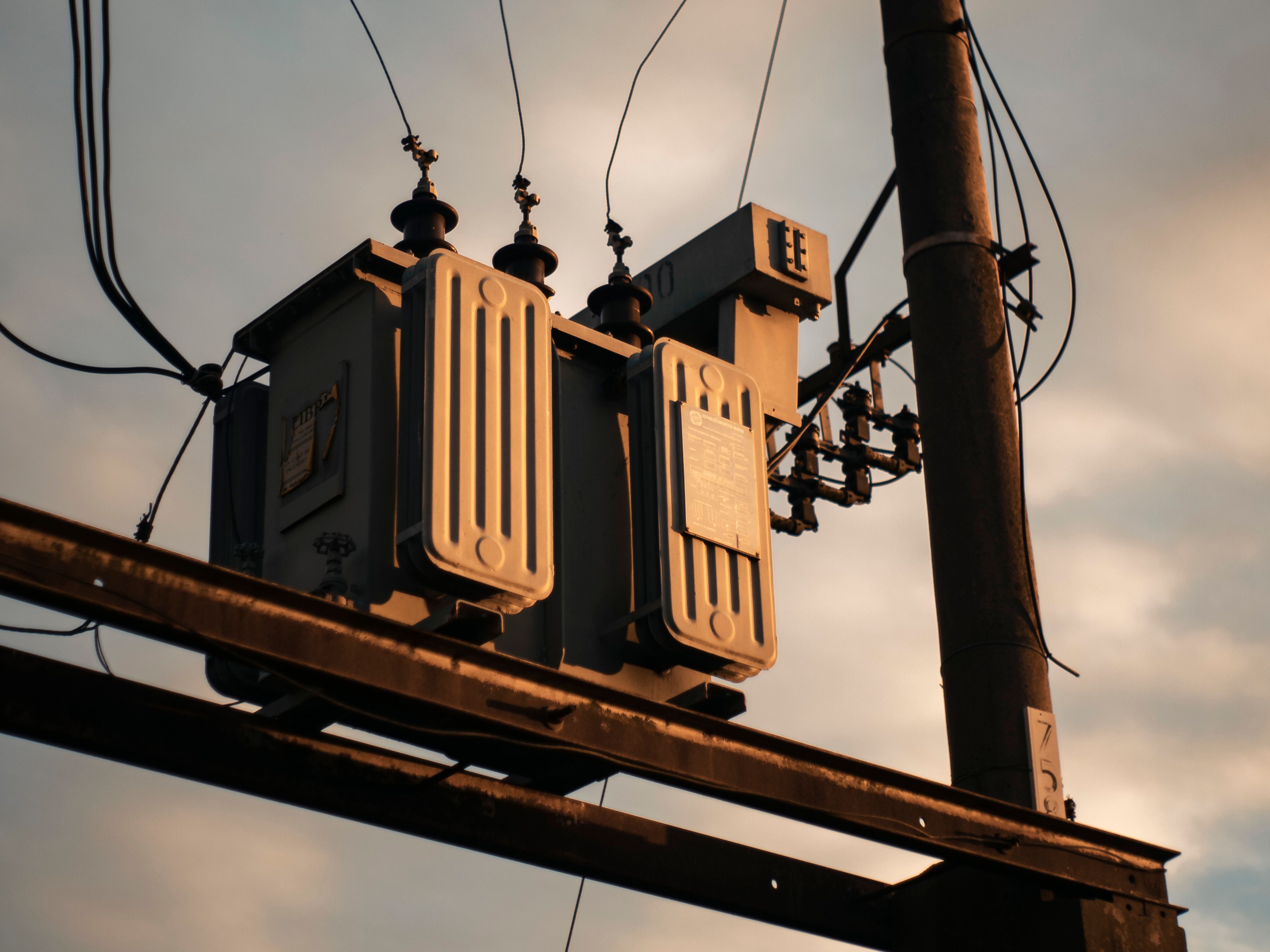
Photo by Mario Amé (Pexels)
Meifert added,
"It has to do with loss: the higher the voltage, the less power you lose as a percentage over distance."
That distance can add up. Power from a pole-top line can travel several miles, and one of our longest projects came out to roughly 19,000 feet, close to 3 to 4 miles.
Varied work, one goal
Meifert attested,
"The best part about working on distribution is that it's very varied. Despite the fact that it's just overhead lines or underground, there are a lot of different project groups, and I get to dip my toes into all of them."
That variety is part of what defines our team: solar farms and data centers on one end, easements and permitting on the other, and every project in between requiring the same commitment to getting it right, for the client and the community.
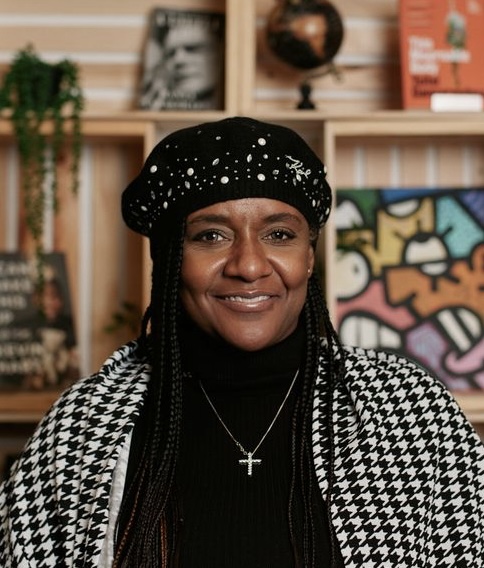
Katina Townsend
Distribution Project manager
For the past 11 years, Townsend has been a steady and valued presence on the KDM team, bringing consistency, positivity, and hard work to everything she does. As Distribution Project Manager, she keeps day-to-day operations running smoothly, overseeing projects and supporting her team with genuine dedication.
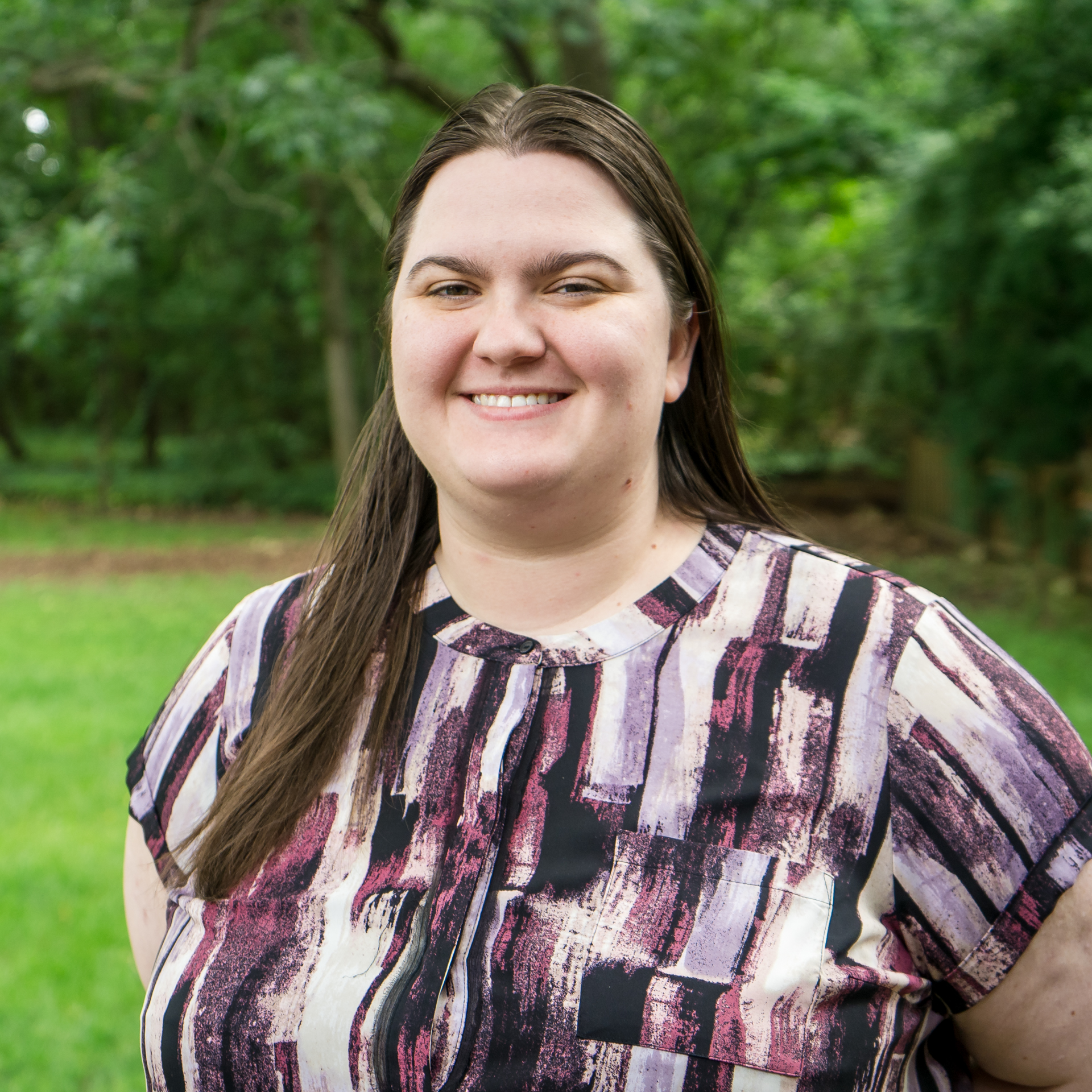
Kimberly Meifert
Distribution engineer
Kimberly Meifert has spent the past 4 years as a Distribution Engineer, bringing sharp technical expertise and a reputation as one of the most knowledgeable members of the team. With specialized skills spanning pole foreman work, TED, VO, and AMI/DA, she brings a well-rounded, detail-oriented approach to every project. Meiferts deep knowledge and steady expertise make hera go-to resource for colleagues across the team.
